In today’s digital age, the dream of working from home while earning a substantial income is more attainable than ever. Imagine sitting in your comfortable home office, chatting with customers online, resolving their queries, and watching your bank account grow—all without the daily commute or rigid office hours. This is the reality for thousands of remote support assistants across the United States. With the rise of e-commerce, tech platforms, and customer-centric businesses, the demand for skilled individuals who can provide chat-based support has skyrocketed. According to recent data, remote customer service roles are among the fastest-growing job sectors, offering flexibility, competitive pay, and opportunities for career growth.
The title “Chat Online and Earn Up to $70,000 as a Remote Support Assistant in the USA” isn’t just clickbait—it’s grounded in real market trends. Salaries in this field can range from entry-level rates of $15 per hour to experienced positions paying $57 per hour or more, translating to annual earnings of $30,000 to over $70,000 depending on factors like experience, location, and company. For instance, some roles advertised on platforms like Indeed and ZipRecruiter highlight positions with base salaries around $60,000, plus bonuses and benefits.
This comprehensive article will dive deep into everything you need to know about becoming a remote support assistant. We’ll explore the role’s responsibilities, required skills, salary breakdowns, top companies hiring, pros and cons, career advancement paths, training options, real-life stories from professionals, tips for success, common challenges, and the future outlook for this career. By the end, you’ll have a roadmap to launch or advance your career in this rewarding field. Whether you’re a recent graduate, a stay-at-home parent, or someone seeking a career change, this guide is for you.
To visualize the setup, here’s a typical home office for a remote chat support role:

What is a Remote Support Assistant?
A remote support assistant, often called a chat support specialist or virtual customer service representative, is a professional who provides customer assistance primarily through online chat platforms. Unlike traditional call center roles, this position focuses on text-based communication, making it perfect for those who prefer writing over speaking on the phone.
Key responsibilities include:
- Responding to customer inquiries via live chat, email, or messaging apps.
- Troubleshooting issues, providing product information, and guiding users through processes.
- Handling multiple conversations simultaneously while maintaining high-quality service.
- Escalating complex problems to higher-level support teams.
- Logging interactions and following up on unresolved issues.
These roles are common in industries like e-commerce, tech support, finance, and healthcare. For example, companies like Amazon and Chewy hire remote assistants to manage customer chats from home. The remote aspect means you work from anywhere in the USA with a stable internet connection, often with flexible schedules that include evenings or weekends to cover peak times.
The evolution of this role ties into the broader shift toward digital customer service. Pre-COVID, remote work was niche, but by 2025, over 22% of the U.S. workforce is remote, with customer support leading the way. Tools like Zendesk, Intercom, and LiveChat enable seamless interactions, allowing assistants to handle 5-10 chats at once efficiently.

The Rise of Remote Work in Customer Support
Remote customer support has transformed from a novelty to a necessity. The COVID-19 pandemic accelerated this trend, with companies realizing that remote teams can be just as effective—if not more so—than in-office ones. According to reports, remote customer service productivity increased by 13% post-pandemic due to reduced distractions and better work-life balance.
In the USA, platforms like FlexJobs list thousands of remote support jobs annually, with growth projected at 8% through 2030. Major drivers include cost savings for employers (no office space needed) and access to a nationwide talent pool. For workers, it means no relocation and the ability to live in low-cost areas while earning competitive wages.
Historical context: Customer support started with phone lines in the 1960s, evolved to email in the 1990s, and now chat dominates, with 41% of consumers preferring live chat over other channels. This shift favors introverts and those with strong writing skills.
Salary Potential: Up to $70,000 and Beyond
One of the most appealing aspects is the earning potential. The average annual salary for remote customer service representatives in the USA is around $46,716, with hourly rates averaging $22. However, top earners reach $63,740 or more, including bonuses. For chat-specific roles, ZipRecruiter reports averages of $34,121 annually, but with ranges up to $49,500.
To hit $70,000: Aim for roles with commissions, overtime, or in high-demand sectors like tech. For example, Indeed listings show positions at $60,000+ for experienced agents. Factors influencing pay include experience (1+ years boosts salary by 20%), location (California averages higher at $27-32/hour), and company size.
In 2025, salaries are trending up due to inflation and talent shortages, with some roles offering $118,260-$195,820 for senior positions, though rare. Benefits often include health insurance, 401(k), and paid training.
Table of Salary Ranges by Experience Level:
| Experience | Hourly Rate | Annual Salary |
|---|---|---|
| Entry-Level | $15-20 | $31,200-$41,600 |
| Mid-Level | $20-30 | $41,600-$62,400 |
| Senior | $30-57 | $62,400-$118,560 |
Required Skills and Qualifications
No advanced degree is typically required—a high school diploma suffices for most entry-level roles. Key skills include:
- Communication: Excellent written skills for clear, error-free chats.
- Empathy and Problem-Solving: Understanding customer needs and resolving issues quickly.
- Multitasking: Handling multiple chats (up to 10) while typing 35+ WPM.
- Tech Proficiency: Familiarity with chat software and basic troubleshooting.
- Adaptability and Time Management: Working shifts, including weekends.
Other qualifications: 1+ years in customer-facing roles (retail, hospitality), strong English, and a quiet home setup with reliable internet (60 Mbps+).
How to Get Started: Education and Training
Start with online resources. Platforms like Coursera offer customer service certificates for $49/month. Dale Carnegie and American Management Association provide specialized training in communication and service excellence.
Many companies, like Amazon and Liveops, offer paid training (5 days at $500/day in some cases). Freelance on Upwork for experience.
Step-by-step guide:
- Update resume highlighting communication skills.
- Apply on Indeed, LinkedIn, or company sites.
- Prepare for interviews with role-playing chats.
Top Companies Hiring
Leading employers include:
- Amazon: Remote roles at $15/hour.
- Liveops: Flexible chat support.
- Chewy: Customer care positions.
- ACL Digital, BigCommerce, and more from FlexJobs.

Pros and Cons of the Job
Pros:
- Flexibility: Set your hours, work-life balance.
- Cost Savings: No commute, lower expenses.
- Growth: High demand, remote talent pool.
Cons:
- Isolation: Limited social interaction.
- Stress: Dealing with angry customers, irregular shifts.
- Tech Issues: Reliance on internet.
Career Advancement
From assistant to manager: Gain certifications, move to quality assurance or product support. Average promotion time: 2-3 years.
Real Stories from Remote Support Assistants
One X user shared: “I’ve been working remotely talking to people around the world for 6 hours 5 days a week… the pay is shitty, but I’m not alone.” Another: “Help desk humbles you and teaches you the stuff textbooks never will.”
From web: Success stories highlight flexibility and growth.
Tips for Success
- Build a quiet workspace.
- Practice typing and empathy.
- Network on LinkedIn.
Challenges and Overcoming Them
Common issues: Burnout—take breaks; Tech glitches—have backups.
Future of Remote Support Jobs
AI integration, but human touch remains key. Growth expected with e-commerce boom.
Salary Negotiation Tips for Remote Support Assistants
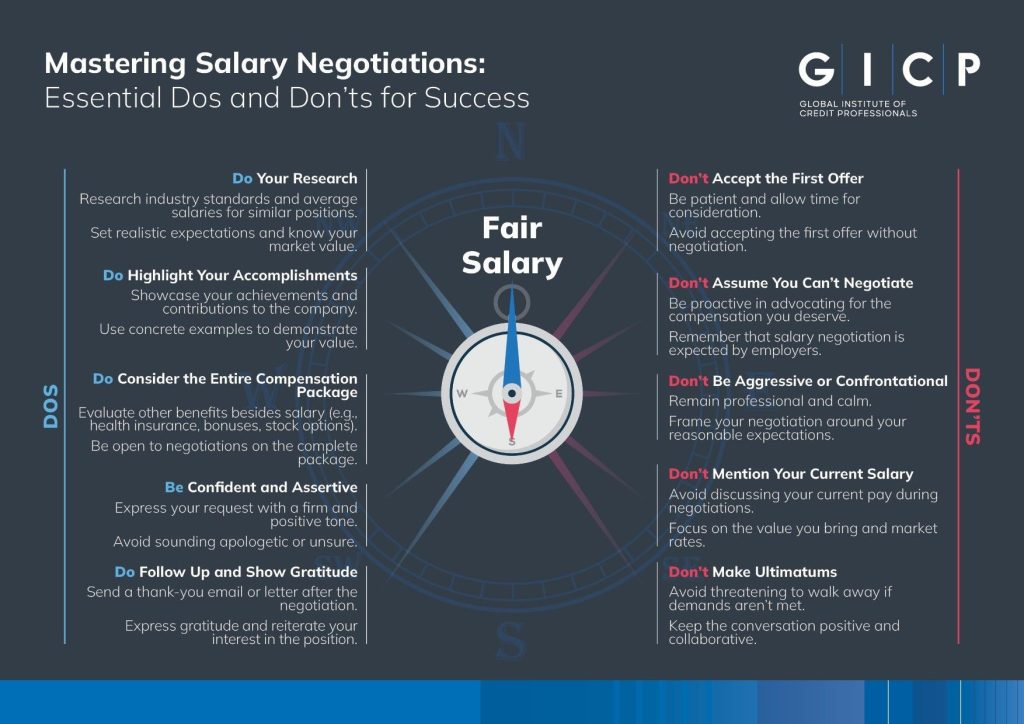
Negotiating your salary as a remote support assistant can significantly boost your earnings, potentially adding thousands to your annual income. In the context of remote roles in the USA, where salaries for customer service positions average $46,716 but can reach $70,000 or more with experience, effective negotiation is key. With remote work trends in 2025 emphasizing value-based pay over location, and pay transparency laws in many states requiring salary ranges in job postings, you have more leverage than ever. This expanded guide draws on current strategies, data-driven tactics, real-world examples, and scripts to help you negotiate confidently. Whether you’re entering the field or advancing, these tips can help you secure a package that reflects your worth.
Understanding the Remote Salary Landscape in 2025
Before diving into tips, grasp the current trends. Remote salaries have grown 12% year-over-year, outpacing on-site roles by 4%, driven by geographic flexibility and performance-based bonuses. For support assistants, companies like Amazon or Liveops often adjust pay based on cost of living, but forward-thinking employers are shifting to value-based models, where your contributions (e.g., handling high-volume chats efficiently) matter more than your zip code. Economic factors like inflation (around 3-4% in 2025) and AI tools for benchmarking salaries mean you must come prepared with data. Aim for 10-15% above the initial offer, or up to 20% in high-demand sectors like tech support.
Step-by-Step Guide to Negotiation
Follow this structured approach to build confidence and maximize outcomes.
- Research Market Rates Thoroughly
Start with homework: Use tools like Glassdoor, Payscale, Salary.com, Levels.fyi, Indeed’s pay transparency reports, and remote-specific job boards like InclusivelyRemote or FlexJobs. For remote support assistants, factor in company location (e.g., higher for San Francisco-based firms), your cost of living, and role specifics like chat volume or industry (e.g., e-commerce vs. finance). Create a spreadsheet with averages: Entry-level $31,200-$41,600; mid-level $41,600-$62,400; senior $62,400+. Check industry reports from Stack Overflow or LinkedIn for 2025 benchmarks, and use AI salary predictors to estimate your trajectory. Also, investigate the company’s funding via Crunchbase—startups may offer equity instead of high base pay. - Prepare Your Value Proposition
Know your worth: Compile a “Value Bank” document in Notion or Google Sheets, listing achievements like “Resolved 500+ chats monthly with 95% satisfaction rate” or “Reduced response time by 20%, saving the team 10 hours weekly.” Highlight remote-specific skills, such as multitasking across time zones or using tools like Zendesk remotely. Map these to business outcomes, e.g., cost savings or customer retention. Create a one-page impact sheet to reference during talks. - Time It Right
Don’t rush: Avoid discussing salary in early interviews. Wait until the company shows interest, like after a final interview or initial offer. If asked early, deflect: “I’d love to understand more about the role’s responsibilities before discussing numbers. Could you share the budgeted range?” Respond to offers within 24-48 hours via email, and use video calls for discussions to build rapport. - Craft a Data-Driven Counter-Offer
Use a collaborative tone: Thank them, express enthusiasm, reference data and your value, propose specifics (e.g., 10-15% increase), and suggest alternatives. Template: “Thank you for the offer. I’m excited about joining. Based on market data from [source], the average for this role is $X. Given my experience in [skill], I propose $Y base plus [perk].” Anchor high but realistically. - Negotiate Holistically
Look beyond base pay: Request home office stipends ($1,000-$2,000 annually), professional development budgets (e.g., Coursera subscriptions), extra PTO, flexible hours, or performance bonuses. For remote roles, emphasize savings to the company (no office space) and your productivity gains. Use “If-Then” strategies: “If salary is fixed, then could we add a 6-month review for adjustment?” - Practice and Stay Calm
Rehearse: Record pitches via Loom or role-play with AI tools or mentors. Ground yourself before calls; if pressured, say, “Let me review and follow up.” Avoid aggression—focus on partnership. - Ask Smart Questions
Turn it into dialogue: “How was the range determined?” or “What opportunities for adjustment based on performance?” Inquire about remote compensation evolution. - Be Ready to Walk Away
Build leverage: Line up other interviews or freelance gigs (e.g., on Upwork). Mention competing offers collaboratively if genuine: “I have another opportunity at $X, but I prefer this role—can we meet in the middle?” - Get Everything in Writing
Finalize with a revised offer letter via DocuSign, including all terms. Follow up post-acceptance if needed, but delicately. - Use the “What-If” Strategy for Tight Budgets
Propose alternatives: “What if we tie a bonus to goals in six months?” Reframe as problem-solving.
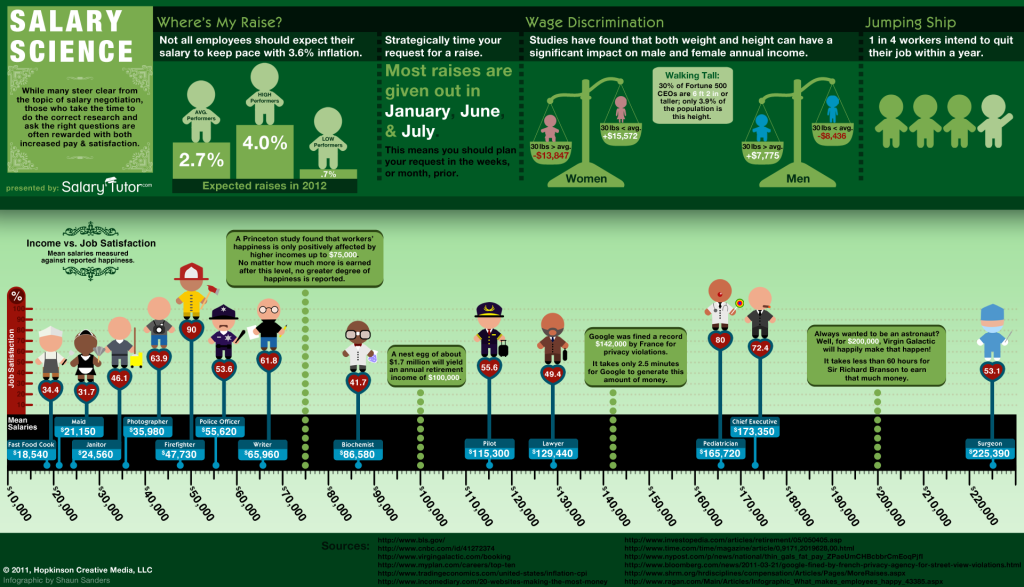
Proven Negotiation Scripts with Real Examples
Here are adapted scripts from successful 2025 negotiations, tailored for remote support roles.
- Higher Starting Salary After Offer
Script: “Thank you for the offer at $45,000. I’m excited about the remote support role. Based on Glassdoor data, similar positions average $52,000. With my 2 years handling chat support and 98% resolution rate, I propose $50,000. If not, perhaps extra PTO?”
Example Outcome: Increased to $48,000 + 5 extra vacation days (6.7% boost). - Countering Lowball Offer
Script: “The $40,000 offer is below market ($45,000-$55,000 per Payscale). Given my multitasking skills in Zendesk, saving teams time, I’d be comfortable at $48,000.”
Example Outcome: Raised to $46,000 + home office stipend (15% increase). - Justifying Raise with Market Data
Script: “Over the past year, I’ve managed 600 chats/month with top metrics. Market rates are $50,000+; I request $48,000 to align.”
Example Outcome: 12% raise approved. - After Promotion Without Raise
Script: “Excited for senior support lead. With added duties, market suggests $55,000. If budget-tight, a 6-month review?”
Example Outcome: No immediate raise, but 15% at review + flexible hours. - For Increased Responsibilities
Script: “I’ve taken on extra shifts; compensation at $42,000 doesn’t reflect. Propose $47,000 based on contributions.”
Example Outcome: 11% increase + wellness benefits. - Remote Compensation Adjustment
Script: “My remote productivity saved costs; propose maintaining $50,000 despite location, given metrics.”
Example Outcome: Avoided 10% cut, added bonus. - Leveraging Competing Offers
Script: “Another role offers $52,000, but I prefer here—can we adjust to $50,000?”
Example Outcome: Matched + development budget.
Common Mistakes to Avoid
- Accepting first offers: Always negotiate—66% succeed.
- Ignoring full package: Benefits can add 30% value.
- Being aggressive: Use data, not ultimatums.
- Not researching: Leads to undervaluing yourself.
- Forgetting taxes: Remote in low-tax states boosts net pay.
Checklist for Success
| Step | Action Items |
|---|---|
| Research | Gather data from 3+ sources; spreadsheet averages. |
| Prepare | Value Bank; impact sheet; practice pitch. |
| Counter | Email template; propose 10-15% higher. |
| Holistic | List 3-5 non-salary asks. |
| Close | Get in writing; follow up. |

By mastering these tips, remote support assistants can turn negotiations into opportunities for growth. Remember, 70% of managers expect haggling, so advocate for yourself—your skills in empathy and problem-solving extend to your own career. For more, explore resources like Resumly’s tools or InclusivelyRemote templates.
Application Links for Remote Support Assistant Positions
Securing a remote support assistant role starts with knowing where to apply. Below, I’ve compiled a curated list of direct application links from top job boards and leading companies hiring in the USA as of December 2025. These resources focus on chat-based, virtual customer service, and support roles, often with salaries ranging up to $70,000 based on experience and performance. Always tailor your resume to highlight communication skills, multitasking abilities, and any prior customer-facing experience. Note that job availability can fluctuate, so check for the latest openings and ensure you meet location requirements (many are U.S.-only).
Top Job Boards for Remote Opportunities
These platforms aggregate thousands of remote support assistant jobs, making them ideal starting points. Use keywords like “remote chat support,” “virtual assistant,” or “customer service remote” in your searches.
- Indeed: Search and apply to hundreds of remote virtual assistant and support roles across the U.S. Apply on Indeed
- ZipRecruiter: Features one-click applications for remote chat support positions, with hourly rates from $15-$31. Apply on ZipRecruiter
- FlexJobs: Curated remote customer service jobs with flexible schedules; subscription-based for premium access. Apply on FlexJobs
- LinkedIn: Over 3,000 remote virtual assistant jobs; network and apply directly. Apply on LinkedIn
- Upwork: Freelance virtual assistant gigs for flexible, project-based work; great for building experience. Apply on Upwork
- Remote.co: Lists full-time, part-time, and freelance remote virtual assistant positions. Apply on Remote.co
Company-Specific Application Links
Many companies hire directly through their career portals. Focus on those mentioned earlier in this article, with entry-level roles often starting at $15-$20/hour and scaling up.
- Amazon: Offers seasonal and full-time remote customer service associate positions with benefits like paid training. Apply at Amazon Hiring
- Liveops: Independent contractor roles for virtual contact center agents; set your own hours. Apply at Liveops
- Chewy: Customer care positions with growth opportunities in a pet-focused environment. Apply at Chewy Careers
- ACL Digital: Tech support and administrative assistant roles in digital transformation sectors. Apply at ACL Digital Careers
- BigCommerce: Technical support representative roles for e-commerce platforms, often remote. Apply at BigCommerce
For additional options, explore specialized sites like RemoteRocketship for virtual assistant roles or Glassdoor for company reviews alongside applications. Remember to prepare for virtual interviews, which often include chat simulations. If you’re new to the field, consider freelance platforms like Upwork to gain initial experience before applying to full-time positions. Good luck—your remote career could start with one click!
Conclusion
Embarking on a career as a remote support assistant can lead to earnings up to $70,000 while offering unparalleled flexibility. With the right skills and dedication, this path is open to many. Start today—your home office awaits!